
 Anthony Jannone
UNDERSTANDING CHAKRAS
THE ENERGY CENTERS OF THE BODY
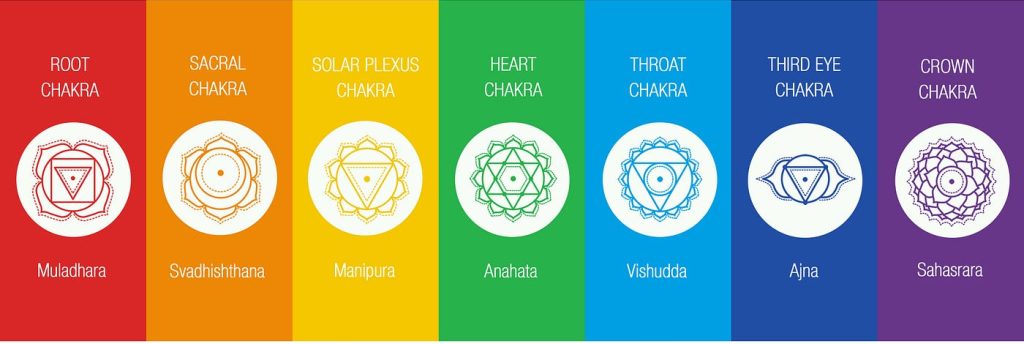
Chakras are often described as energy centers within the body that influence our physical, emotional, mental, and spiritual well-being. The word chakra comes from Sanskrit and means “wheel” or “disk,” suggesting a spinning center of energy. While chakra teachings come from ancient spiritual traditions, many people today use them as a helpful way to reflect on balance, healing, self-awareness, and personal growth.
In the most common system, there are seven major chakras aligned along the spine, beginning at the base of the body and rising to the crown of the head. Each chakra is associated with certain themes, emotions, colors, and areas of life.
The Seven Main Chakras
Root
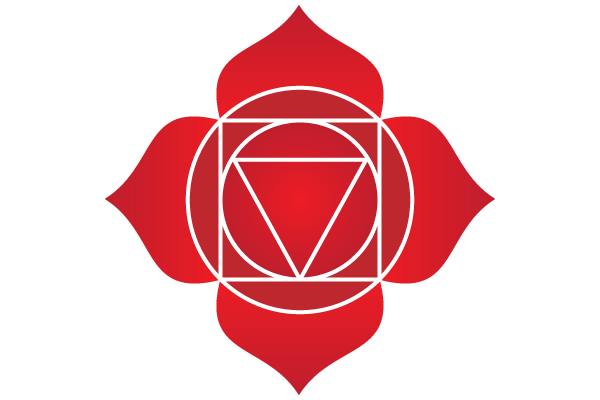
The Root Chakra is located at the base of the spine and is connected with safety, stability, grounding, and survival. When this chakra feels balanced, a person may feel secure, steady, and connected to the physical world. When it feels blocked or imbalanced, there may be fear, anxiety, instability, or a feeling of being unsupported. The Root Chakra reminds us to care for our basic needs: rest, food, shelter, health, and connection to the Earth.

Sacral
The Sacral Chakra is located in the lower abdomen and is associated with creativity, emotions, pleasure, relationships, and flow. It is often connected with how we experience joy, intimacy, and emotional expression. A balanced Sacral Chakra may help us feel creative, open, and emotionally flexible. When imbalanced, we may feel emotionally stuck, overly dependent on others, creatively blocked, or disconnected from joy.
Solar
Plexus
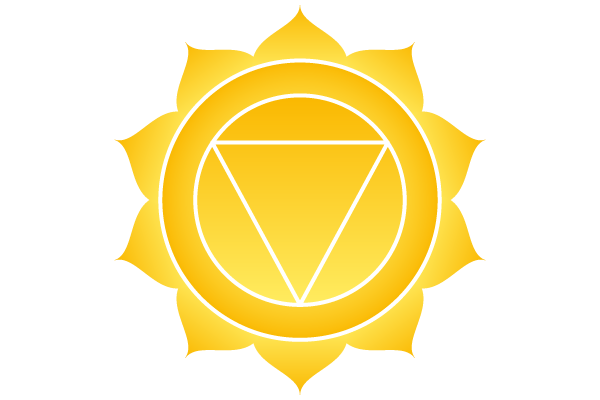
The Solar Plexus Chakra is located around the upper abdomen and is connected with confidence, personal power, self-worth, and willpower. This energy center is often associated with our ability to make decisions, set boundaries, and take action. When balanced, the Solar Plexus Chakra can support courage, motivation, and healthy self-esteem. When out of balance, a person may struggle with insecurity, control issues, anger, or lack of direction.
Heart
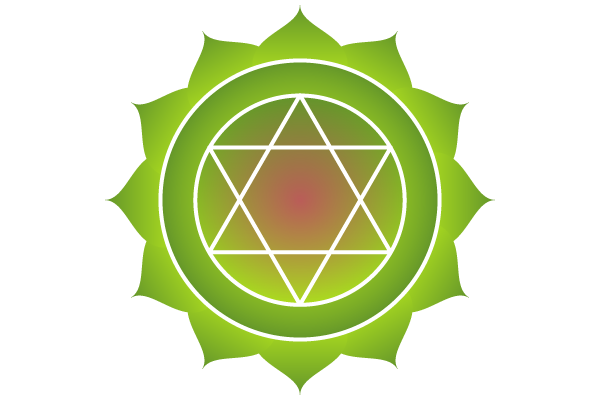
The Heart Chakra is located in the center of the chest and is associated with love, compassion, forgiveness, and emotional healing. It bridges the lower chakras, which are more connected to physical and personal matters, with the upper chakras, which are more connected to spiritual awareness. A balanced Heart Chakra allows love to flow both inward and outward. It helps us practice kindness, empathy, and forgiveness while still maintaining healthy boundaries.
Throat
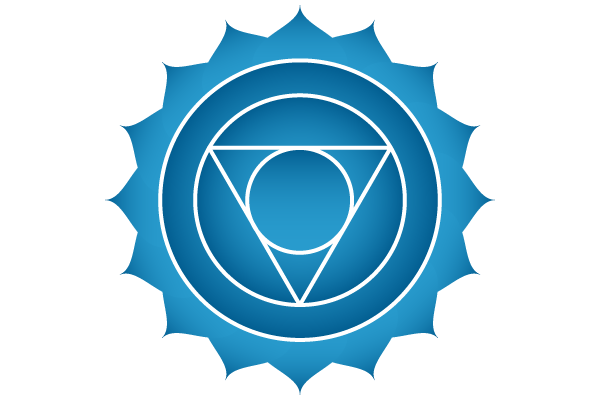
The Throat Chakra is located at the throat and is connected with communication, truth, expression, and listening. This chakra governs not only how we speak, but also how honestly we express who we are. When the Throat Chakra is balanced, we may feel able to speak clearly, listen deeply, and express ourselves with integrity. When blocked, we may fear speaking up, hold back our truth, or communicate in ways that feel harsh or unclear.
Third
Eye
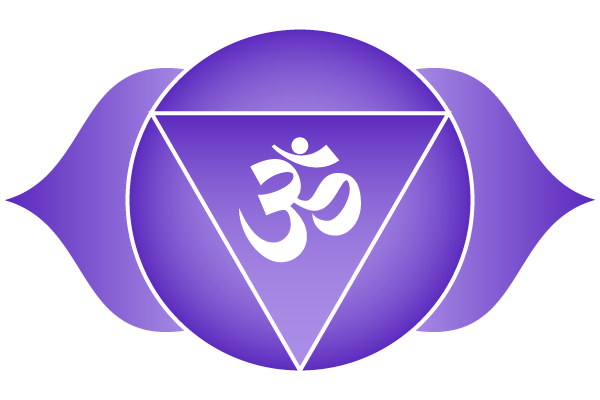
The Third Eye Chakra is located between the eyebrows and is associated with intuition, insight, imagination, and inner wisdom. This chakra is often connected with spiritual perception and the ability to see beyond surface appearances. A balanced Third Eye Chakra may support clarity, discernment, and trust in one’s inner guidance. When imbalanced, there may be confusion, overthinking, lack of vision, or difficulty trusting intuition.
Crown
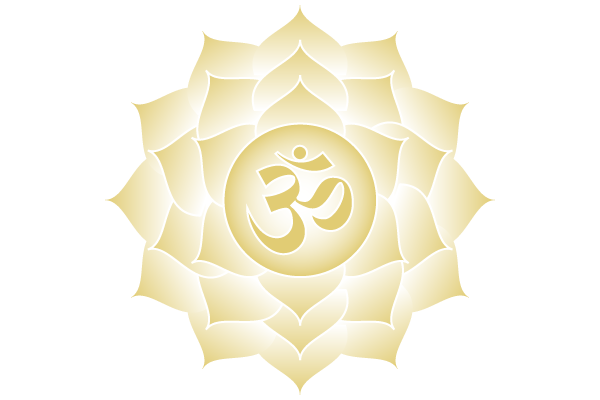
The Crown Chakra is located at the top of the head and is connected with spiritual connection, higher consciousness, divine awareness, and unity. It represents our relationship with something greater than ourselves, whether we call that God, Spirit, Source, the Universe, or simply higher wisdom. When the Crown Chakra feels balanced, a person may feel a sense of peace, purpose, and connection. When blocked, there may be spiritual disconnection, cynicism, or a feeling of being cut off from meaning.
Working With the Chakras
Many people work with chakras through meditation, prayer, breathwork, affirmations, yoga, journaling, sound healing, visualization, or simply becoming more aware of their emotional patterns. For example, someone who feels unsafe or anxious may focus on grounding practices for the Root Chakra. Someone struggling to speak their truth may reflect on the Throat Chakra.
Chakra work does not need to be complicated. Sometimes it begins with asking simple questions:
- What area of my life feels out of balance?
- What emotion keeps showing up for me?
- Where do I feel tension, fear, or resistance?
- What part of myself needs love, expression, or healing?
These questions can turn chakra study into a meaningful path of self-reflection.
Chakras as a Spiritual Map
One beautiful way to understand the chakras is to see them as a map of the human journey. We begin with grounding and survival, move into emotion and creativity, develop confidence and personal power, open the heart, speak our truth, awaken intuition, and finally connect with higher spiritual awareness.
In this sense, the chakra system reminds us that healing is not only physical or emotional. It is also spiritual. Each chakra invites us into a deeper relationship with ourselves and with the sacred energy of life.
Final Thoughts
The chakras offer a powerful symbolic system for understanding balance, healing, and spiritual growth. Whether approached through meditation, energy work, prayer, or personal reflection, they can help us notice where we feel open, where we feel blocked, and where we are being invited to grow.
At their heart, the chakras remind us that we are more than just physical bodies. We are emotional, mental, energetic, and spiritual beings, constantly learning how to live with greater harmony, awareness, and love.
