

 Anthony Jannone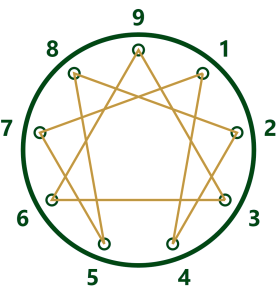
ENNEAGRAM – THE NINE PERSONALITY TYPES:
The Enneagram is a powerful personality system that explores the deeper motivations behind how people think, feel, and behave. While many personality tools describe what we do, the Enneagram goes a step further by asking why we do it.
At its heart, the Enneagram is made up of nine personality types. Each type has its own core desire, fear, strength, struggle, and path of growth. The goal is not to put people into boxes, but to help us better understand ourselves and others with more compassion.
What Is the Enneagram?
The word “Enneagram” comes from Greek roots meaning “nine-pointed figure.” The symbol itself is a circle with nine points, each representing a different personality type. These nine types are connected by lines, showing how people may shift in times of stress, growth, or personal development.
Unlike simple personality labels, the Enneagram invites reflection. It helps us notice patterns we may have carried for years: how we respond to conflict, what we seek in relationships, what makes us feel safe, and what often triggers our fears.
The Nine Enneagram Types
Here is a simple overview of the nine types:
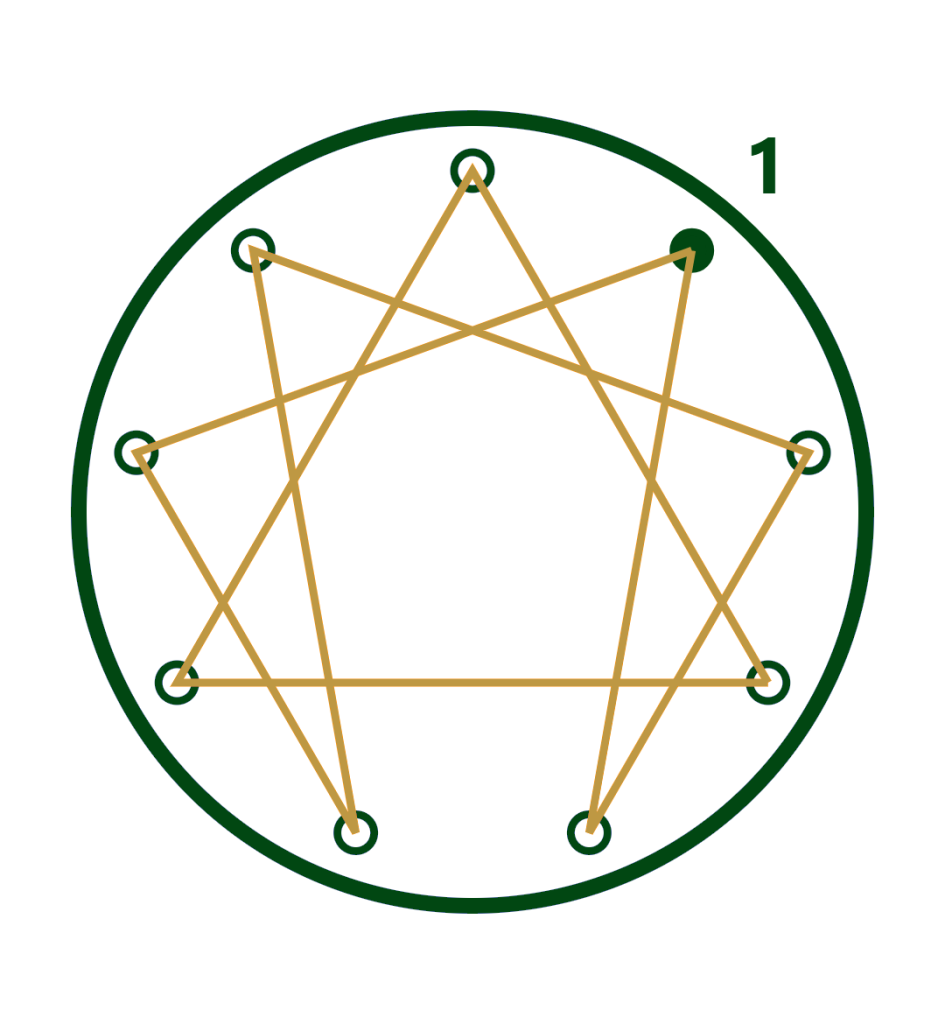
Type One: The Reformer
Ones are principled, responsible, and driven to improve themselves and the world around them. They often have a strong inner sense of right and wrong.
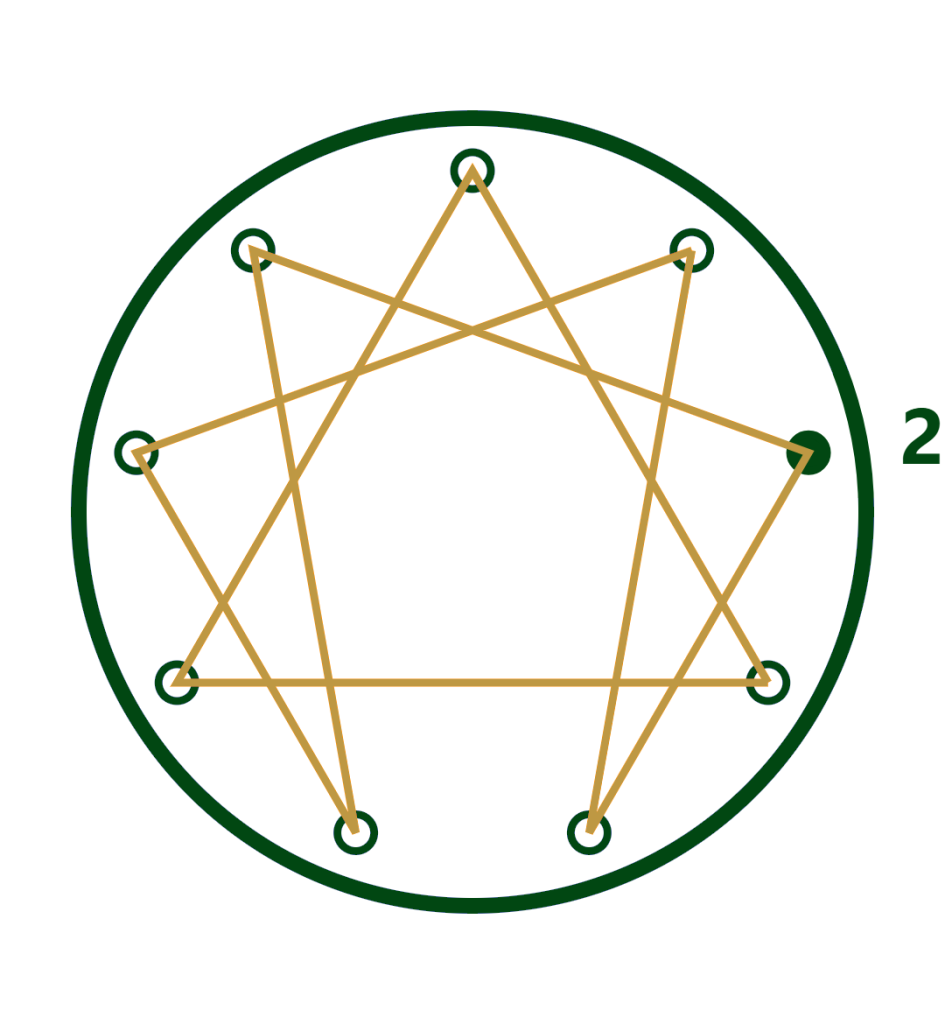
Type Two: The Helper
Twos are caring, generous, and relationship-focused. They often feel most fulfilled when supporting others, though they may need to remember their own needs too.
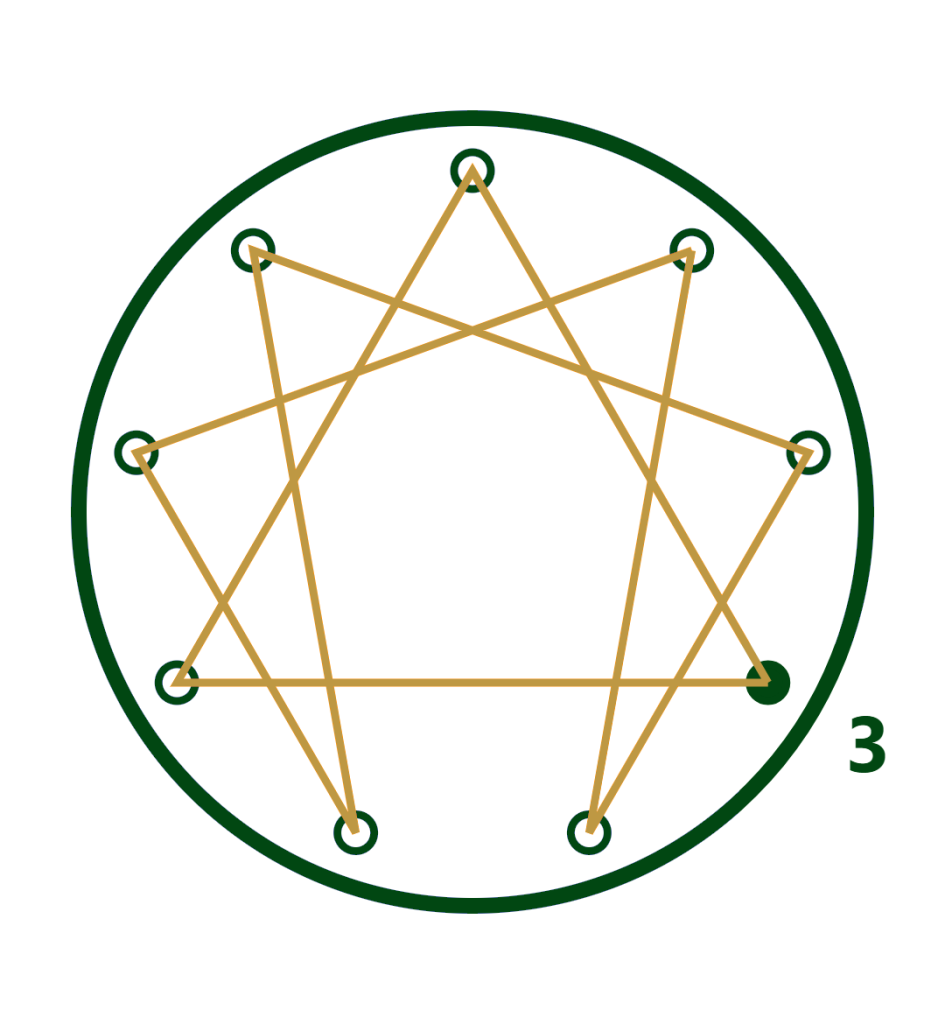
Type Three: The Achiever
Threes are motivated, adaptable, and goal-oriented. They often strive for success and recognition, but their growth comes from remembering they are valuable beyond what they accomplish.
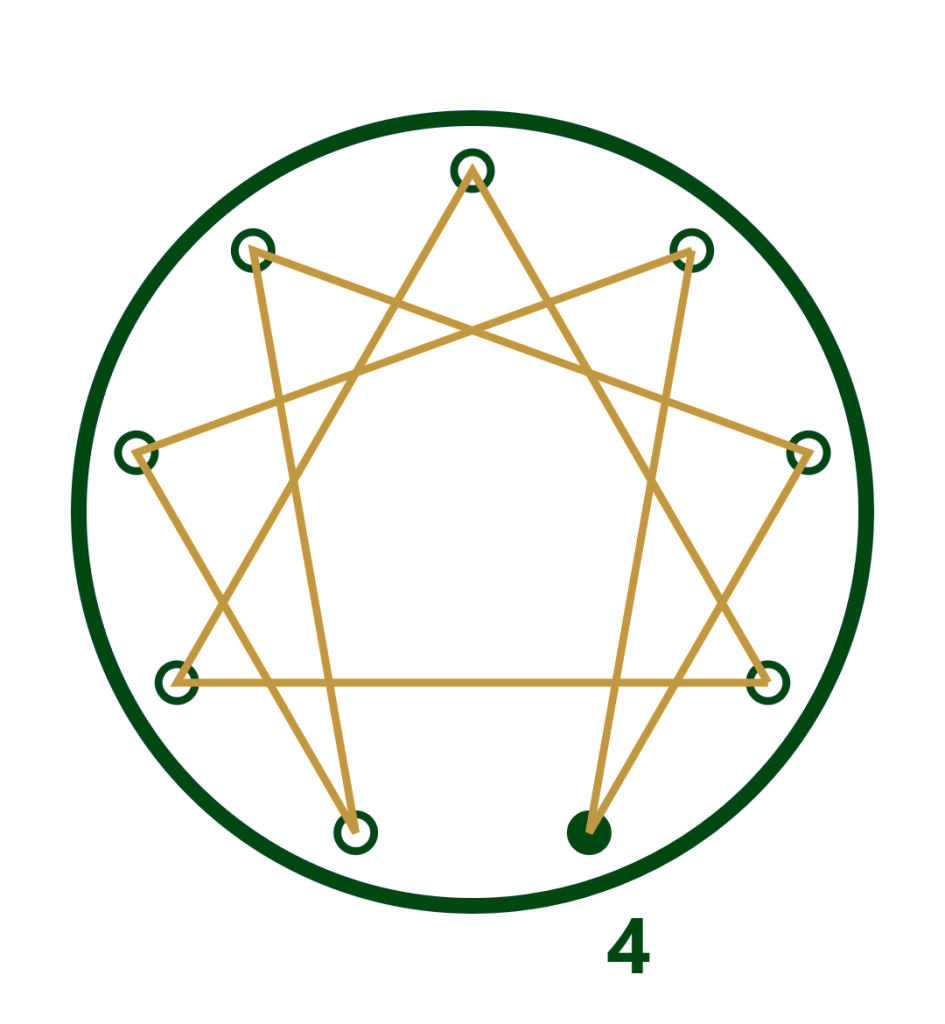
Type Four: The Individualist
Fours are creative, sensitive, and deeply introspective. They seek authenticity and meaning, often feeling things with great emotional depth.
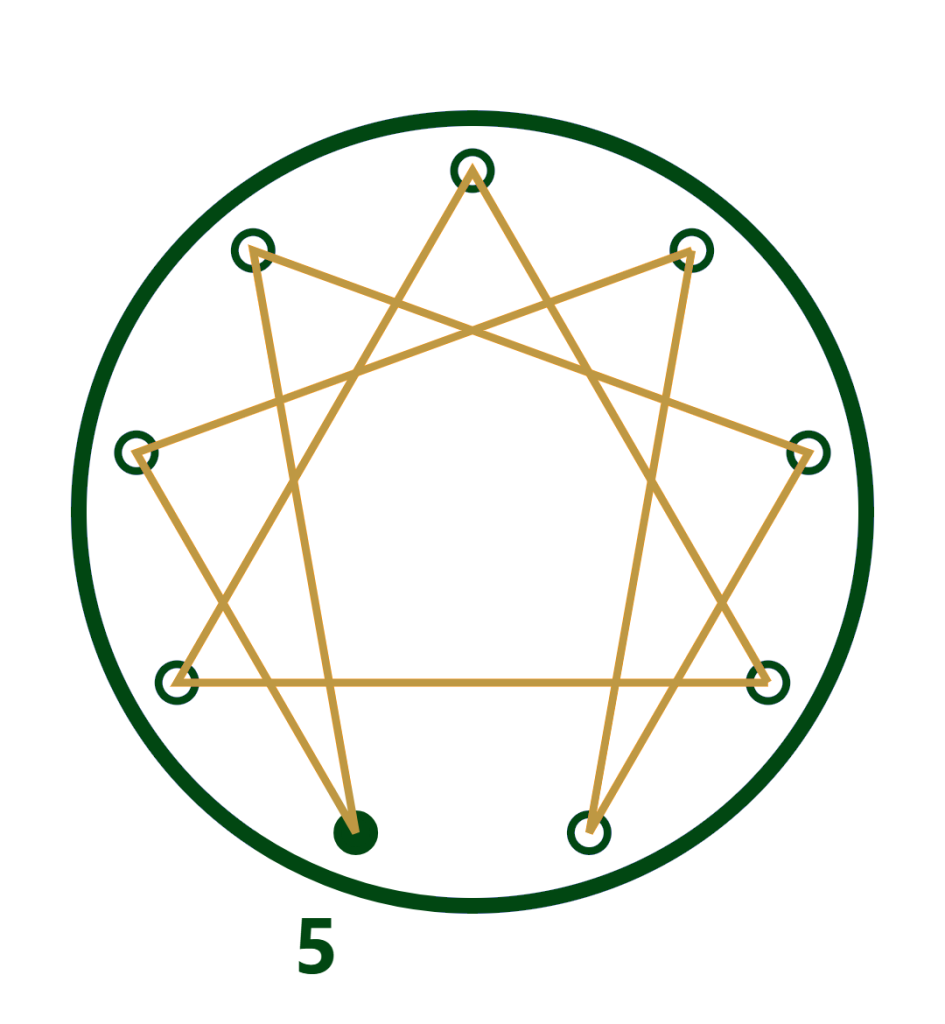
Type Five: The Investigator
Fives are curious, analytical, and independent. They value knowledge and privacy, often needing time and space to process the world.
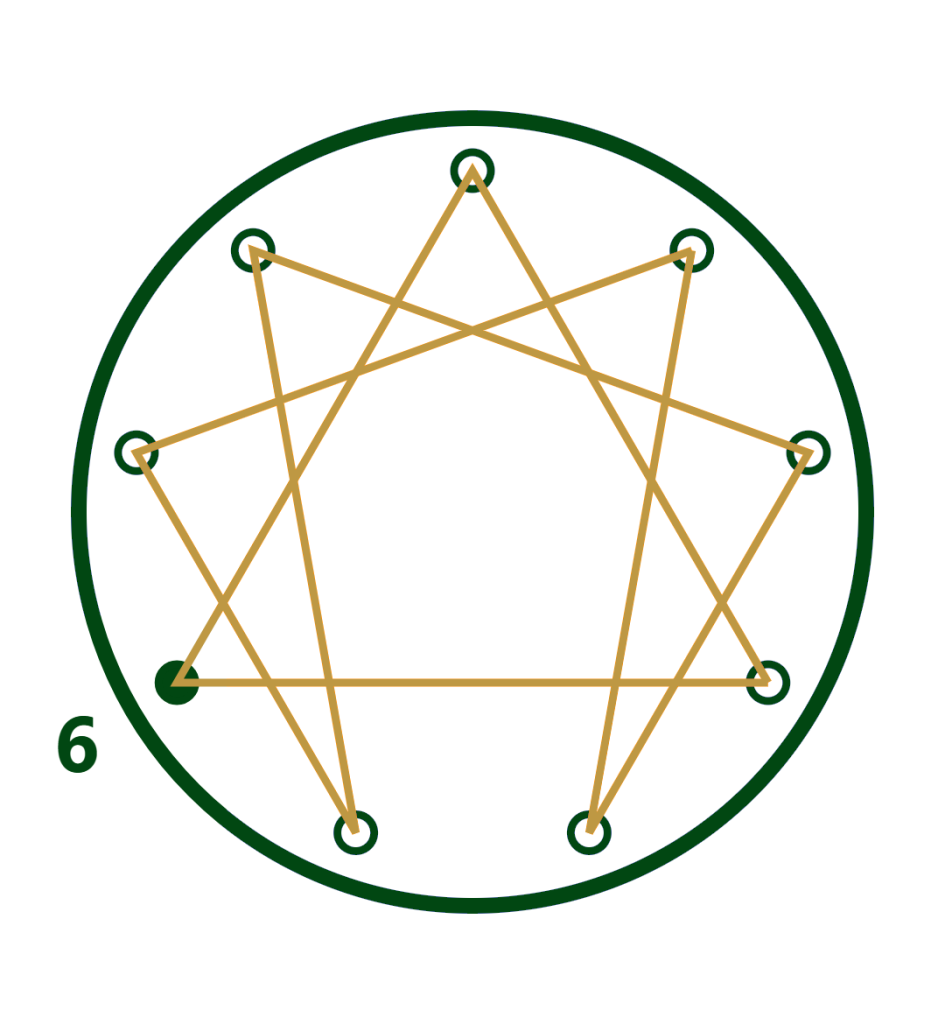
Type Six: The Loyalist
Sixes are committed, thoughtful, and security-minded. They are often excellent at spotting problems before they happen and value trust, loyalty, and preparedness.
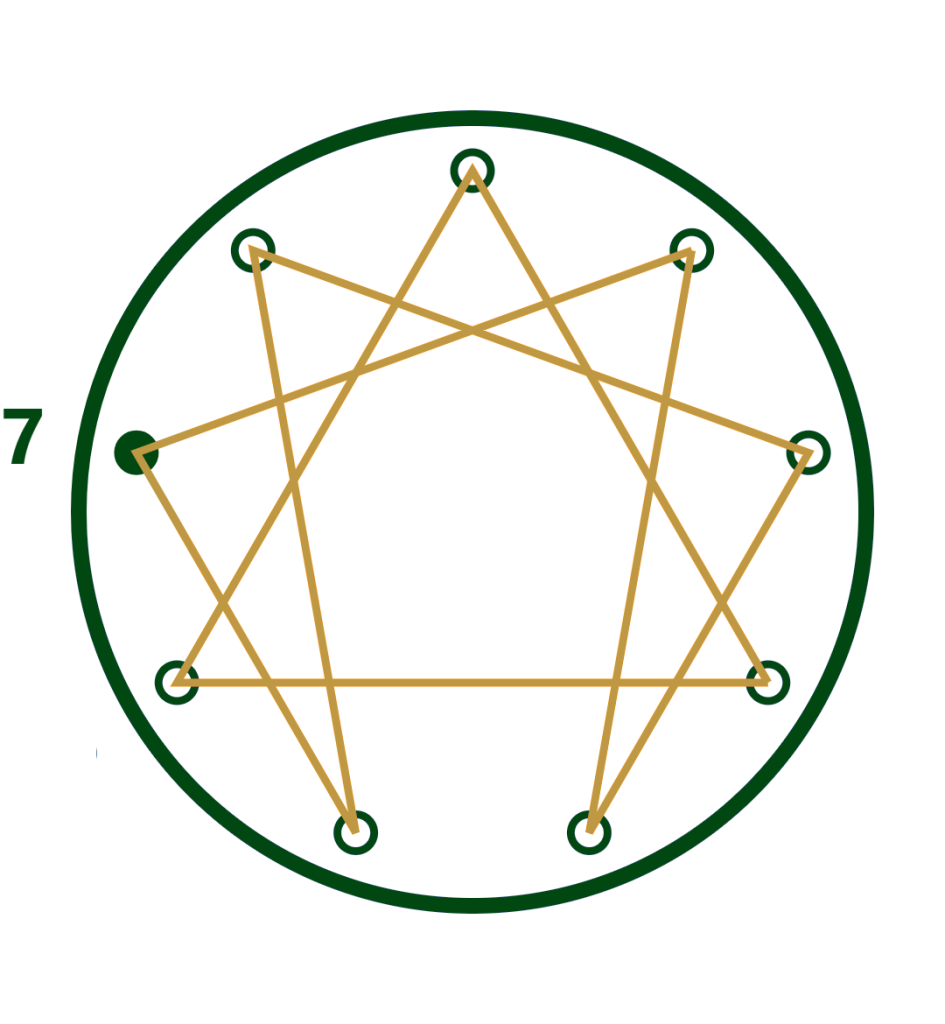
Type Seven: The Enthusiast
Sevens are energetic, optimistic, and adventurous. They seek joy, possibility, and freedom, though they may sometimes avoid discomfort or emotional heaviness.
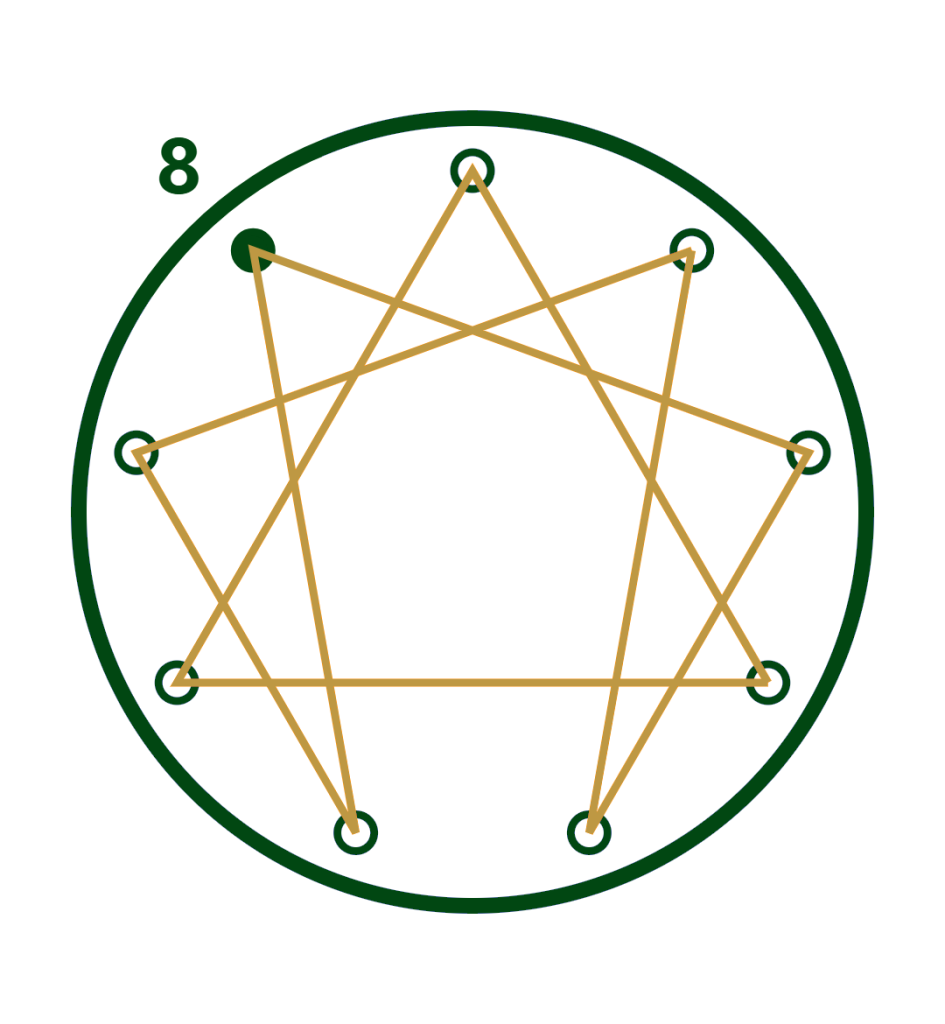
Type Eight: The Challenger
Eights are strong, direct, and protective. They value honesty and justice and often stand up for themselves and others with courage.
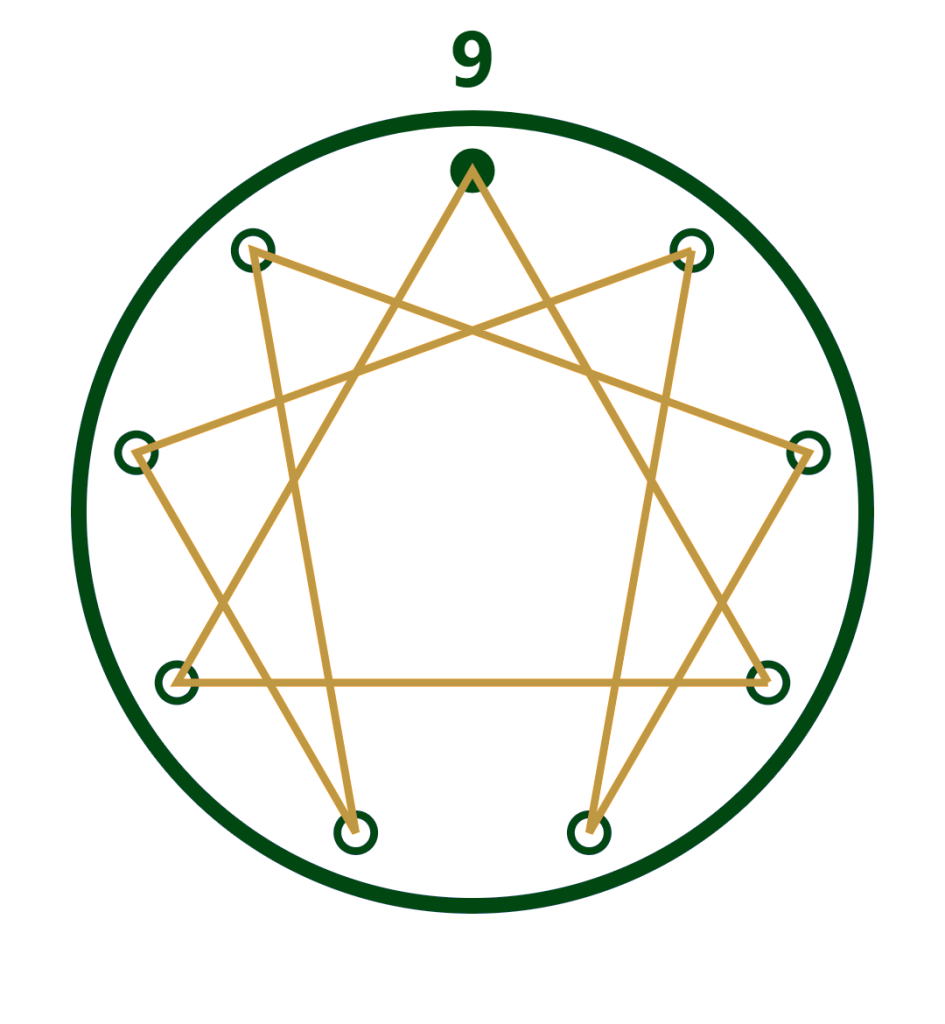
Type Nine: The Peacemaker
Nines are calm, accepting, and easygoing. They often seek harmony and unity, though their growth involves learning to honor their own voice and desires.
Why the Enneagram Matters
The Enneagram can be a helpful tool for personal growth because it reveals unconscious habits. Once we become aware of our patterns, we can begin to choose differently.
For example, a Type Two may realize they are helping others while neglecting themselves. A Type Five may notice they withdraw when overwhelmed. A Type Nine may see how often they avoid conflict to keep the peace. These realizations are not meant to shame us. They are invitations to grow.
The Enneagram also helps improve relationships. When we understand that different people are motivated by different fears and desires, we become less quick to judge. We may begin to see that someone’s controlling behavior, emotional distance, people-pleasing, or restlessness may come from a deeper place of fear, longing, or protection.
The Enneagram and Spiritual Growth
Many people also use the Enneagram as a spiritual tool. It can reveal the parts of ourselves that need healing, patience, and grace. Each type has gifts, but each type also has a shadow side. The Enneagram teaches that growth comes from becoming more aware, more honest, and more present.
In this way, the Enneagram is not just about personality. It is about transformation.
It reminds us that we are more than our habits. We are more than our fears. We are more than the roles we learned to play in order to feel safe or loved.
Final Thoughts
The Enneagram is best approached with humility and curiosity. No type is better or worse than another. Each one carries wisdom, beauty, and challenge.
Whether you are new to the Enneagram or have studied it for years, it can serve as a mirror. It helps us see ourselves more clearly, love others more deeply, and walk a path of growth with greater compassion.
The Enneagram does not tell us who we are forever. Instead, it helps us recognize the patterns that keep us from becoming who we were created to be.
Try It for Yourself
Here is a simple introductory:
It’s not a full professional assessment, but it offers a helpful starting point.
Keep in mind that when we answer these questions on the evaluation, we tend to answer the questions “the way we would like to see ourselves” rather than the way we truly are. It is best to have someone else answer the questions for your evaluation. People outside of your perception have the most accurate perspective of you.
